
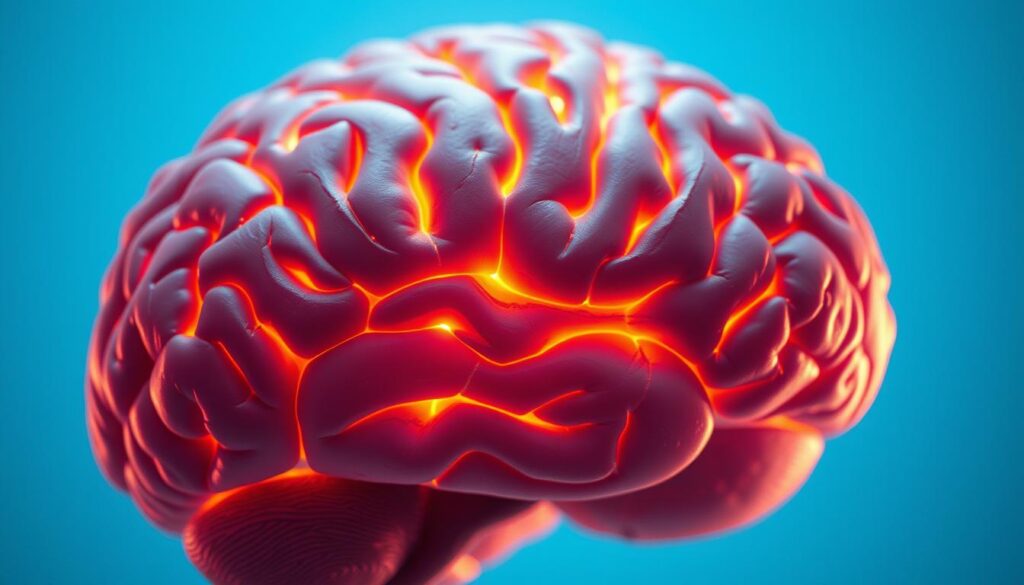
As a teenager, you’re constantly navigating a complex social landscape. Peer pressure is a powerful force that can shape your behavior, decision-making, and brain development during a critical period of growth. During adolescence, your brain undergoes significant changes, particularly in regions associated with reward processing and cognitive control, making you more susceptible to peer influence.
Research has shown that adolescents are more likely to engage in risky behaviors in the presence of peers, which can be linked to heightened sensitivity to rewards in brain regions such as the ventral striatum and orbitofrontal cortex (Source). Understanding how peer pressure works on a neurological level can help you better navigate these challenges and support your mental health.
Key Takeaways
- Peer pressure significantly influences teenage behavior and brain development.
- The teenage brain is particularly susceptible to social influences and peer opinions.
- Both positive and negative forms of peer pressure can have lasting impacts on mental health.
- Understanding the science behind teen brain development can help support adolescents.
- Peer pressure can affect decision-making, risk-taking, and identity formation.
The Science Behind Teenage Brain Development
The teenage brain undergoes significant changes, making it essential to explore how these developments impact susceptibility to peer pressure. As you navigate the complexities of adolescence, understanding these changes can provide valuable insights into the challenges teenagers face.
The Developing Prefrontal Cortex
The prefrontal cortex, responsible for decision-making and impulse control, is still developing during adolescence. This ongoing development means that teens are more prone to acting on impulse without fully considering the consequences of their actions. As a result, they may be more susceptible to peer pressure as they seek to fit in with their peers.
Why Teens Are More Susceptible to Social Influence
Several factors contribute to teenagers’ increased susceptibility to social influence. For instance, during adolescence, teens naturally shift their focus from family to peers as part of their development. This shift, combined with the release of dopamine (the “reward chemical”) in response to peer approval, makes social acceptance extremely rewarding. The following table summarizes key factors influencing teens’ susceptibility to peer pressure:
| Factor | Description | Impact on Teens |
|---|---|---|
| Brain Development | Ongoing development of the prefrontal cortex | Increased impulsivity |
| Social Connection Shift | Shift from parent-focused to peer-focused social connections | Greater influence of peers on behavior |
| Dopamine Release | Release of dopamine in response to peer approval | Increased desire for social acceptance |
| Social Media | Constant exposure to social comparison and validation on social media platforms | Amplified susceptibility to peer pressure |
As you can see, the combination of brain development, social factors, and the influence of social media creates a perfect storm that makes teens more susceptible to peer pressure. By understanding these factors, you can better navigate the challenges of adolescence.
Understanding How Peer Pressure Affects the Teenage Brain
The teenage brain is particularly vulnerable to peer pressure due to its ongoing development, especially in regions related to decision-making and risk assessment. As the adolescent brain matures, the prefrontal cortex, which is responsible for risk assessment, is still developing. This underdevelopment increases teens’ susceptibility to peer influences, often making them prioritize peer acceptance over their well-being.

Different Types of Peer Pressure
Peer pressure can manifest in various forms, influencing teens in different ways. It can be direct, such as being encouraged to participate in risky behaviors, or indirect, such as feeling pressured to conform to certain norms or standards. Understanding these different types is crucial for addressing the effects of peer pressure on teens.
- Direct peer pressure involves explicit encouragement or coercion to engage in certain behaviors.
- Indirect peer pressure involves subtle influences, such as observing peers’ behaviors or feeling the need to conform.
The Neurological Response to Social Acceptance and Rejection
The teenage brain processes social acceptance and rejection differently than the adult brain, with heightened sensitivity to both. When teens experience social acceptance, their brain’s reward centers light up more intensely than adults’, making peer approval extremely rewarding. Conversely, social rejection activates the same brain regions as physical pain, explaining why exclusion feels genuinely painful to teens. This neurological response can lead to significant mental health implications, including anxiety and depression.
Positive Effects of Peer Pressure on Teen Development
Positive peer pressure can play a significant role in shaping a teenager’s development in beneficial ways. As teens interact with their peers, they are influenced in various aspects of their lives, from academics to personal growth.
Academic Motivation and Achievement
Positive peer pressure can motivate teens to perform better academically. When surrounded by peers who value education, teens are more likely to adopt similar attitudes, leading to improved academic achievement. For instance, studying together in a group can foster a sense of camaraderie and healthy competition, encouraging teens to strive for excellence.
Development of Healthy Habits and Values
Peers can significantly influence the development of healthy habits and values in teens. Friends who engage in sports, community service, or other positive activities can encourage others to participate, promoting a culture of wellness and social responsibility. This influence can help teens develop important life skills and values such as teamwork, empathy, and leadership.
Building Confidence and Social Skills
Supportive peer interactions can significantly boost a teen’s confidence levels. By sharing new experiences, whether through clubs, sports, or community service, teens discover their interests and passions. As friends provide essential moral support, they help each other navigate challenges effectively. Positive peer relationships offer a safe space for teens to develop crucial social skills through practice and feedback.
Some of the key benefits of positive peer pressure include:
- Developing communication skills and conflict resolution abilities
- Building confidence that extends beyond the immediate peer group
- Encouraging teens to step outside their comfort zones and try new activities
- Fostering a sense of belonging and identity through shared experiences
For more insights on how group behavior influences individuals, you can explore resources like this guide on the science of group.
Negative Impacts of Peer Pressure on Mental Health
As teenagers navigate the challenges of adolescence, peer pressure can have a substantial impact on their mental well-being. The desire for social acceptance and the fear of rejection can lead to a range of negative outcomes.
Connection to Anxiety and Depression
The pressure to fit in with peers can lead to increased levels of anxiety and depression among teenagers. When teens feel compelled to conform to certain behaviors or attitudes, they may experience significant stress, which can exacerbate mental health issues. Research has shown that teens who are more susceptible to peer pressure are at a higher risk of developing anxiety and depression.
Effects on Self-Esteem and Identity Formation
Negative peer pressure can also affect a teenager’s self-esteem and identity formation. When teens are influenced by their peers to engage in behaviors that are not aligned with their personal values, they may struggle with feelings of inadequacy and low self-worth. This can hinder their ability to form a stable and positive identity.
Risk-Taking Behaviors and Substance Abuse
Furthermore, the influence of peer pressure can lead to risk-taking behaviors, including substance abuse. Teens may feel pressured to engage in risky behaviors to gain acceptance from their peers, which can have serious consequences for their health and well-being. For more information on the impact of peer pressure on teen mental health, you can visit this article.
The Amplifying Effect of Social Media
The advent of social media has significantly amplified the effects of peer pressure on teenagers. Social media platforms have become an integral part of daily life, providing a constant stream of information that influences teens’ perceptions and behaviors.
24/7 Exposure to Peer Influence
Teens are now exposed to peer influence around the clock, as social media provides a continuous connection to their peers and online communities. This constant exposure can amplify both positive and negative peer pressure, making it essential for parents to guide their teens in navigating these digital interactions.
Social Comparison and Digital Peer Pressure
Social media platforms showcase the highlight reels of other people’s lives, encouraging social comparison and potentially leading to digital peer pressure. Teens may feel compelled to conform to certain standards or participate in activities that are popular online, even if they don’t align with their personal values or interests.
Balancing Online and Offline Social Interactions
Finding a healthy balance between online and offline social interactions is crucial for teens’ social development and mental health. By maintaining relationships both online and offline, teens can develop a well-rounded social life. Parents can encourage their teens to engage in various activities and nurture friendships that promote positive peer pressure and support their overall well-being.
Helping Your Teen Navigate Peer Pressure
Guiding your teenager through the challenges of peer pressure requires a thoughtful and multi-faceted approach. As a parent, you play a significant role in helping your teen develop the skills and confidence needed to navigate these challenges.
Creating Open Communication Channels
Establishing open and honest communication is crucial. Make an effort to get to know your child’s friends and their parents. Encourage your child to invite friends over, allowing you to become familiar with their social circle. This helps create a welcoming home environment where your teen feels comfortable discussing their experiences.
Teaching Decision-Making Skills and Boundary Setting
Empower your teen to make informed decisions by teaching them decision-making skills and the importance of setting boundaries. Help them identify the qualities of healthy friendships and understand the value of choosing friends who respect them. This enables your teen to make better social choices and resist negative peer pressure.
Encouraging Positive Peer Relationships
The peer groups teens choose significantly influence the type of peer pressure they’ll experience. Encourage your child to seek out positive relationships and choose friends who do not put unfair pressure on them. By doing so, you help your teen develop positive friendships that contribute to their overall well-being and development.
Conclusion
As we conclude our exploration of peer pressure’s impact on the teenage brain, it’s clear that this complex issue requires a nuanced understanding. Peer pressure is an inevitable part of adolescent development, influencing not only their behaviors but also their mental health and academic trajectories.
The dual nature of peer pressure as both a positive and negative influence underscores the importance of understanding peer dynamics in youth development. While it can drive teenagers towards beneficial paths, such as improved academic performance and healthier life choices, it can also lead them down risky avenues that impact their mental health adversely.
Parents play a crucial role in helping teens develop the skills and confidence to make healthy choices amid peer pressure. By understanding and addressing both the neurological and social aspects of peer pressure, we can better support adolescents through this critical developmental stage. With the right support and skills, teenagers can learn to navigate peer pressure in ways that promote healthy development and prepare them for adult life.