
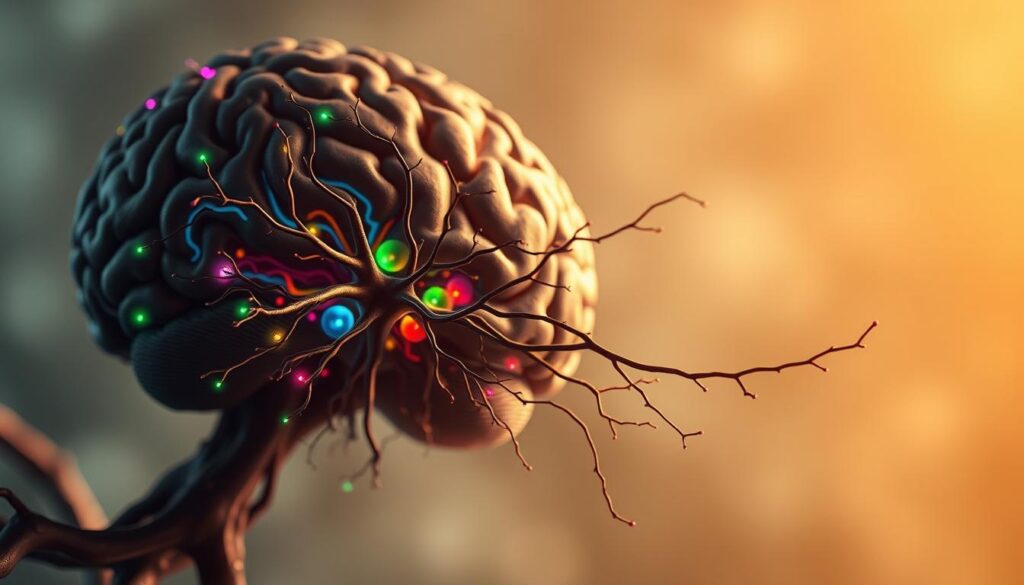
Your brain’s ability to change and adapt is a lifelong process. Research has shown that the brain continues to rewire itself based on experiences and learning, challenging the long-held belief that it becomes “fixed” after a certain age. According to recent studies, neuroplasticity allows the brain to form new neural pathways and connections, enabling you to acquire new skills and knowledge throughout your life.
This concept has significant implications for transforming your habits and improving cognitive function. By understanding how your brain works and how it can be reshaped, you can take control of your learning and development. As you learn new things, your brain undergoes physical changes, creating and strengthening neural connections.
Key Takeaways
- You can harness the power of neuroplasticity to improve your cognitive function and overall quality of life.
- The brain’s ability to change and adapt is not limited to childhood but continues throughout life.
- Neuroplasticity allows the brain to form new neural pathways and connections based on experiences and learning.
- Every new skill you learn physically changes your brain structure, creating and strengthening neural connections.
- You can transform your habits and enhance your overall well-being by leveraging neuroplasticity.
Understanding Neuroplasticity: How the Brain Rewires Itself
Your brain has the incredible capacity to rewire itself in response to new experiences. This concept, known as neuroplasticity, challenges the long-held idea that the brain is a fixed, unchangeable entity after a certain age. Neuroplasticity refers to the brain’s ability to form new neural connections throughout life, allowing it to adapt and change in response to various experiences and learning activities.
The Science Behind Brain Plasticity
The science behind neuroplasticity involves the brain’s ability to reorganize itself by forming new neural pathways. This process is driven by the brain’s inherent plasticity, which enables it to compensate for damaged areas and adapt to new situations. Research has shown that the brain continues to change and adapt throughout life, with significant changes occurring during periods of learning and experience.
Debunking the Fixed Brain Myth
Historically, it was believed that the brain was “fixed, ended, immutable” after childhood. However, recent research has completely reversed this understanding, demonstrating that the brain remains adaptable throughout life. Through processes like neurogenesis, the brain can create new neurons and form new connections, allowing it to rewire and adapt in response to changing circumstances.
How Neuroplasticity Works in Your Brain
Your brain’s ability to change and adapt is a complex process that involves multiple mechanisms. The connections between neurons, known as synapses, are constantly changing throughout your life, playing a crucial role in learning and memory.

Synaptogenesis: Creating New Neural Connections
Synaptogenesis is the process by which your brain creates new connections between neurons. This occurs when you learn new skills or have new experiences, allowing your brain to reorganize and adapt. As you practice and repeat new actions, the connections between neurons are strengthened, making it easier to perform the task.
Neurogenesis: Growing New Brain Cells
Neurogenesis is the growth of new neurons, primarily in the hippocampus, a region crucial for memory formation. This process is important for learning and memory, and is influenced by factors such as exercise and mental stimulation. As you engage in new experiences, your brain is able to create new neurons, supporting the development of new neural pathways.
Key Benefits of Brain Plasticity
The benefits of neuroplasticity are vast, ranging from improved cognitive function to enhanced recovery after brain injuries. By understanding and harnessing the power of brain plasticity, you can significantly improve your overall brain health and cognitive abilities.
Enhanced Cognitive Function and Learning
Neuroplasticity plays a crucial role in enhancing your brain’s ability to learn new information and adapt to new situations. As you learn new skills, your brain creates new neural connections, allowing for faster learning and better problem-solving abilities. This process enables you to acquire new knowledge and skills throughout your life, making your brain more adaptable and resilient. For more information on how neuroplasticity affects learning, visit this resource.
Recovery and Healing After Injury
Brain plasticity also enables remarkable recovery after brain injuries. When certain areas of the brain are damaged, other areas can compensate by taking over their functions. This process is made possible by the brain’s ability to reorganize itself and form new connections. As a result, individuals can recover lost cognitive and motor functions, improving their overall quality of life. Research has shown that neuroplasticity is key to this recovery process, as highlighted in studies on brain plasticity.
| Benefits of Brain Plasticity | Description |
|---|---|
| Enhanced Cognitive Function | Improved memory, faster learning, and better problem-solving skills |
| Recovery After Injury | Compensatory mechanisms allow undamaged areas to take over functions from damaged regions |
| Adaptability and Flexibility | Ability to adapt to changing environments and circumstances throughout life |
7 Effective Strategies to Promote Neuroplasticity
You can enhance your brain’s ability to rewire itself by adopting certain habits and practices. By incorporating these strategies into your daily life, you can improve your cognitive function, boost your mental health, and enhance your overall well-being.
Physical Exercise and Movement
Regular physical exercise is a powerful way to promote neuroplasticity. It boosts BDNF (brain-derived neurotrophic factor), a protein that promotes neuroplasticity and protects against Alzheimer’s disease. Exercise benefits various aspects of cognitive function, including memory and learning.
Learning New Skills and Experiences
Learning new skills, such as playing an instrument or speaking a new language, creates new neural pathways and strengthens brain connections. This enhances your brain’s ability to adapt and change.
Mindfulness and Meditation Practice
Mindfulness and meditation practices can physically change your brain, increasing gray matter density in regions associated with learning, memory, and emotional regulation. Regular practice can enhance focus and attention.
Quality Sleep and Rest
Quality sleep is essential for neuroplasticity, as your brain consolidates memories and clears toxins during deep sleep cycles. Adequate rest supports the brain’s ability to repair and change.
Embracing Novelty in Daily Life
Seeking new experiences and embracing novelty forces your brain out of autopilot mode, stimulating neuroplasticity. Traveling or taking new routes can be particularly effective.
| Strategy | Benefits |
|---|---|
| Physical Exercise | Boosts BDNF, enhances cognitive function |
| Learning New Skills | Creates new neural pathways, strengthens brain connections |
| Mindfulness and Meditation | Increases gray matter density, enhances focus |
| Quality Sleep | Consolidates memories, clears toxins |
| Embracing Novelty | Stimulates neuroplasticity, forces brain out of autopilot mode |
By incorporating these strategies into your daily routine, you can promote neuroplasticity and improve your overall brain health. Start with small changes and gradually build up to more significant practices.
Real-Life Examples of Neuroplasticity in Action
The remarkable adaptability of the human brain is highlighted through fascinating cases that demonstrate neuroplasticity in action. These examples not only showcase the brain’s ability to change but also provide insights into how we can harness this power to improve our cognitive function and overall brain health.
London Taxi Drivers’ Brain Changes
London taxi drivers offer a compelling example of neuroplasticity. Research has shown that these drivers have a larger hippocampus, a region of the brain associated with spatial navigation, due to their extensive experience navigating complex city streets. This physical change in brain structure is a direct result of their dedication to learning and adapting.
Musicians and Enhanced Brain Connections
Musicians also demonstrate the power of neuroplasticity. Studies have found that musicians have enhanced neural connections and larger brain regions dedicated to finger movements and auditory processing. This is a result of years of practice and dedication to their craft, illustrating how consistent practice can rewire the brain.
Einstein’s Brain: A Case Study in Connectivity
A study on Einstein’s brain revealed that he had a thicker corpus callosum, the structure connecting the left and right hemispheres, compared to both younger and older comparison groups. This suggests that Einstein’s brain had more extensive neural connections, potentially explaining his extraordinary cognitive abilities. Such findings underscore the importance of neural connectivity in achieving exceptional cognitive performance.
These real-life examples demonstrate that our brains are capable of change throughout our lives. By engaging in new experiences, practicing consistently, and challenging ourselves, we can promote neuroplasticity and enhance our brain function.
- You’ll discover how London taxi drivers’ brains change in response to learning complex navigation.
- You’ll learn how musicians develop enhanced brain connections through dedicated practice.
- You’ll explore the unique structure of Einstein’s brain and its implications for cognitive ability.
Conclusion
By understanding how your brain rewires itself, you’re empowered to take control of your cognitive health. You’ve learned that neuroplasticity allows your brain to change and adapt throughout your life. By adopting healthy habits like regular sleep, mindfulness practice, and learning new skills, you can promote positive brain changes. This knowledge empowers you to reduce the risk of conditions like Alzheimer’s disease and enhances your overall brain health. Every time you challenge yourself or learn something new, you’re reshaping your brain for the better, fostering a healthier, more resilient mind.